
The thrill of risk-taking
The appeal of high-stakes casino gameplay often lies in the thrill of risk-taking, as many players are excited by opportunities that lead them to trusted online casino canada options where they can experience intense emotions. Players are drawn to the excitement that accompanies placing large bets, creating a potent mix of adrenaline and anticipation. This sensation can trigger the release of dopamine, a neurotransmitter associated with pleasure and reward. As players engage in these high-risk activities, their brain’s reward system becomes activated, reinforcing the behavior and leading to a cycle of seeking more thrilling experiences.

This desire for risk can be analyzed through psychological lenses, including behavioral economics, which examines how people make decisions in uncertain situations. The prospect of winning significant amounts of money can overshadow the inherent risks involved, causing players to overlook potential losses. Consequently, the psychology of risk-taking in high-stakes environments becomes a captivating subject, revealing how our emotions can drive us toward seemingly irrational decisions.
The influence of environment
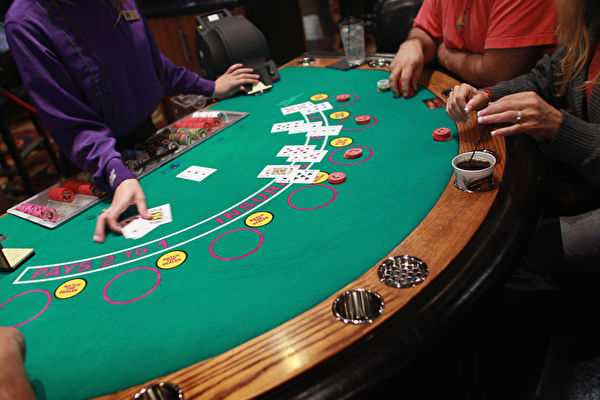
The atmosphere of a casino plays a crucial role in shaping players’ experiences and decisions. High-stakes areas are often designed to be luxurious and visually stimulating, featuring lavish decor, vibrant lights, and enticing sounds. This environment can evoke a sense of euphoria, leading players to feel invincible and more willing to take risks. The sensory overload can create a disconnection from reality, making it easier for individuals to ignore the negative aspects of gambling.
Moreover, the social dynamics of gambling significantly impact player behavior. High-stakes gameplay often occurs in communal settings where individuals can witness others’ wins and losses. This social aspect can amplify emotions, with players feeding off each other’s excitement and despair. The contagious nature of these feelings can further influence decision-making, pushing players to engage in more daring bets than they might typically consider in a different setting.
Cognitive biases and decision-making
Cognitive biases play a central role in the decision-making processes of high-stakes gamblers. One notable bias is the illusion of control, where players believe they can influence outcomes through their actions, despite the randomness of games like slots or roulette. This belief can lead to overconfidence, prompting players to place larger bets in the hope of achieving favorable results. This misconception is deeply rooted in human psychology and is often exacerbated by the enticing narratives surrounding gambling successes.
Another relevant bias is the gambler’s fallacy, where individuals assume that past outcomes affect future probabilities. For instance, a player may believe that a losing streak will soon be followed by a win. This false sense of pattern recognition can drive further gambling behavior, reinforcing the cycle of risk-taking and emotional highs, even in the face of mounting losses.
The emotional rollercoaster of winning and losing
High-stakes gambling is characterized by intense emotional experiences that ebb and flow with each win and loss. The elation of a big win can result in euphoric highs, boosting confidence and reinforcing the desire to continue playing. Conversely, losses can trigger feelings of disappointment, frustration, and even despair. This emotional rollercoaster can create a compulsive cycle, where players chase the high of winning to escape the lows of losing.
Furthermore, the psychological impact of these emotional fluctuations can be profound. Players may develop a distorted relationship with money, where wins become perceived as personal achievements, while losses are rationalized or dismissed. Over time, this can lead to problematic gambling behaviors and a disconnect from one’s financial reality, underscoring the importance of understanding the psychology behind high-stakes casino gameplay.
Creating a secure gambling environment
As the gambling industry evolves, online platforms have emerged as popular venues for high-stakes gameplay. However, with this convenience comes the necessity for security and protection against potential online threats. Websites that prioritize user safety, like those utilizing advanced security services, create an environment conducive to responsible gambling practices.
A secure online gambling experience not only enhances player confidence but also promotes a culture of safety and accountability. When users feel protected from online risks, they can focus on the entertainment aspects of gameplay without undue concern. These platforms continue to adapt their strategies and technologies to ensure that players can enjoy high-stakes gaming in a secure and supportive atmosphere.